Prepare for Winter: Key Furnace Maintenance Tips
Annual Furnace Maintenance Checklist: The Complete Guide for Homeowners and Technicians
Annual furnace maintenance is the scheduled inspection and servicing of your home heating system to keep it safe, reliable, and energy-efficient. This guide walks through a full annual furnace checklist, explains why routine service matters for homeowners in Lake and Sumter Counties, Florida, and shows which tasks are safe to do yourself versus when to call a pro. Many homeowners only change filters or adjust thermostats and miss hidden problems—like heat exchanger cracks or poor combustion—that lower AFUE and raise carbon monoxide risk. Read on to learn the benefits of regular maintenance, a homeowner-safe DIY checklist, a technician’s tune-up checklist, carbon monoxide safety steps, and practical guidance for repair versus replacement. We also outline local maintenance-plan options from Suter Air Conditioning and how a scheduled inspection fits into a preventative-maintenance strategy.
Why Annual Furnace Maintenance Matters for Florida Homes
Annual furnace maintenance is a structured process of inspecting, cleaning, calibrating, and testing furnace components so your system heats safely and efficiently while maintaining good indoor air quality. Regular service prevents common failures, restores proper combustion, and lowers the chance of hazards like carbon monoxide leaks and electrical faults. In Florida, where humidity and intermittent winter use change stress patterns, annual checks catch corrosion, moisture damage, and dust buildup before they become major problems. Proper maintenance helps protect AFUE performance, control energy costs, and extend equipment life through early detection and corrective action.
What do those benefits look like for a homeowner? The next section breaks down safety, efficiency, lifespan, and indoor-air-quality gains with straightforward explanations and quick metrics you can use when prioritizing service.
Key Benefits of Regular Furnace Maintenance
Regular maintenance improves safety, efficiency, equipment life, and indoor air quality through targeted inspections and fixes. Safety checks reveal combustion problems and heat exchanger issues that can cause carbon monoxide risks, while electrical inspections reduce fire and failure hazards. Efficiency services—like cleaning burners, calibrating thermostats, and optimizing blower performance—help restore AFUE and lower heating-related energy use. Indoor air quality improves with the right filter choices and duct/vent checks that reduce particulates and allergens. Together, these actions reduce emergency repairs and lower total operating costs over time.
These advantages are especially important where seasonal use varies—now we’ll explain how Florida’s mild winters and humidity shape maintenance priorities.
How Florida’s Climate Changes Maintenance Needs
Florida’s mild winters mean furnaces often run intermittently. That on‑off cycling combined with high humidity raises corrosion risk and allows dust and moisture to settle on combustion and electrical parts. Infrequent operation can lead to ignition and combustion issues when the system is next used. Schedule annual maintenance before cooler months to ensure a reliable startup; technicians should prioritize corrosion checks, sealing, and venting assessments. Seasonal timing helps prevent startup failures and guarantees safety controls are tested after long idle periods.
Knowing these local effects helps homeowners decide which DIY checks are safe and when to call a professional. Below is a concise summary of how maintenance maps to tangible homeowner benefits.
Different maintenance outcomes produce specific homeowner benefits and measurable results.
DIY Furnace Tasks Homeowners Can Safely Do
Between professional visits, homeowners can perform several safe, routine tasks that keep airflow steady and systems running smoothly. Typical homeowner tasks include replacing or cleaning air filters, testing and replacing thermostat batteries, doing basic visual checks of vents and flue terminations, and keeping supply and return vents clear. Always turn power off before opening panels and know when to stop and call a qualified technician. Regular DIY attention cuts down on technician time and makes professional inspections more focused on mechanical and combustion issues.
Below is a practical, step‑by‑step filter routine and a companion table summarizing common homeowner tasks with safety notes.
Follow these steps the next time you change a filter to maximize airflow and protection.
- Turn power off: Switch the furnace off at the thermostat and the circuit breaker before accessing internal panels.
- Locate and remove filter: Slide the old filter out, note the airflow arrow, and confirm the filter size.
- Inspect and replace or clean: Replace disposable filters and clean reusable ones per manufacturer instructions; reinstall with correct orientation.
- Record date and notes: Log the replacement date and any airflow or dust observations to share with your technician.
These steps keep basic filter maintenance safe and help you spot issues that need professional attention.
Homeowner-safe tasks at a glance.
How to Replace and Clean Your Furnace Air Filter
Start by confirming the correct filter size and a MERV rating that matches your home’s needs and your system’s limits. Turn off power, remove the filter, and check it for dust buildup or discoloration. Replace disposable filters; gently clean reusable filters per the manufacturer’s directions. Reinstall the filter with the airflow arrow pointing the right way, ensure a snug fit, and reset any filter reminders on your thermostat or maintenance log. If airflow is still weak after a correct installation, document the issue and schedule a professional blower and duct inspection at your next tune‑up.
Following this routine keeps airflow optimal and delays the need for deeper professional cleaning.
Simple Visual Inspections and Thermostat Checks
Quick inspections include checking supply and return vents for blockages, scanning outdoor flue terminations for nesting or corrosion, and looking inside accessible panels for obvious rust or soot. For thermostats, replace batteries, confirm setpoints and schedules, and verify the thermostat reads room temperature correctly. Note any strange noises, persistent odors, or uneven temperatures to share with your technician at service time. These small checks help spot problems early and speed up professional diagnostics.
Together, homeowner maintenance and clear notes create a safer, more efficient system and a smoother handoff to professional services.
What a Professional Annual Furnace Tune‑Up Covers
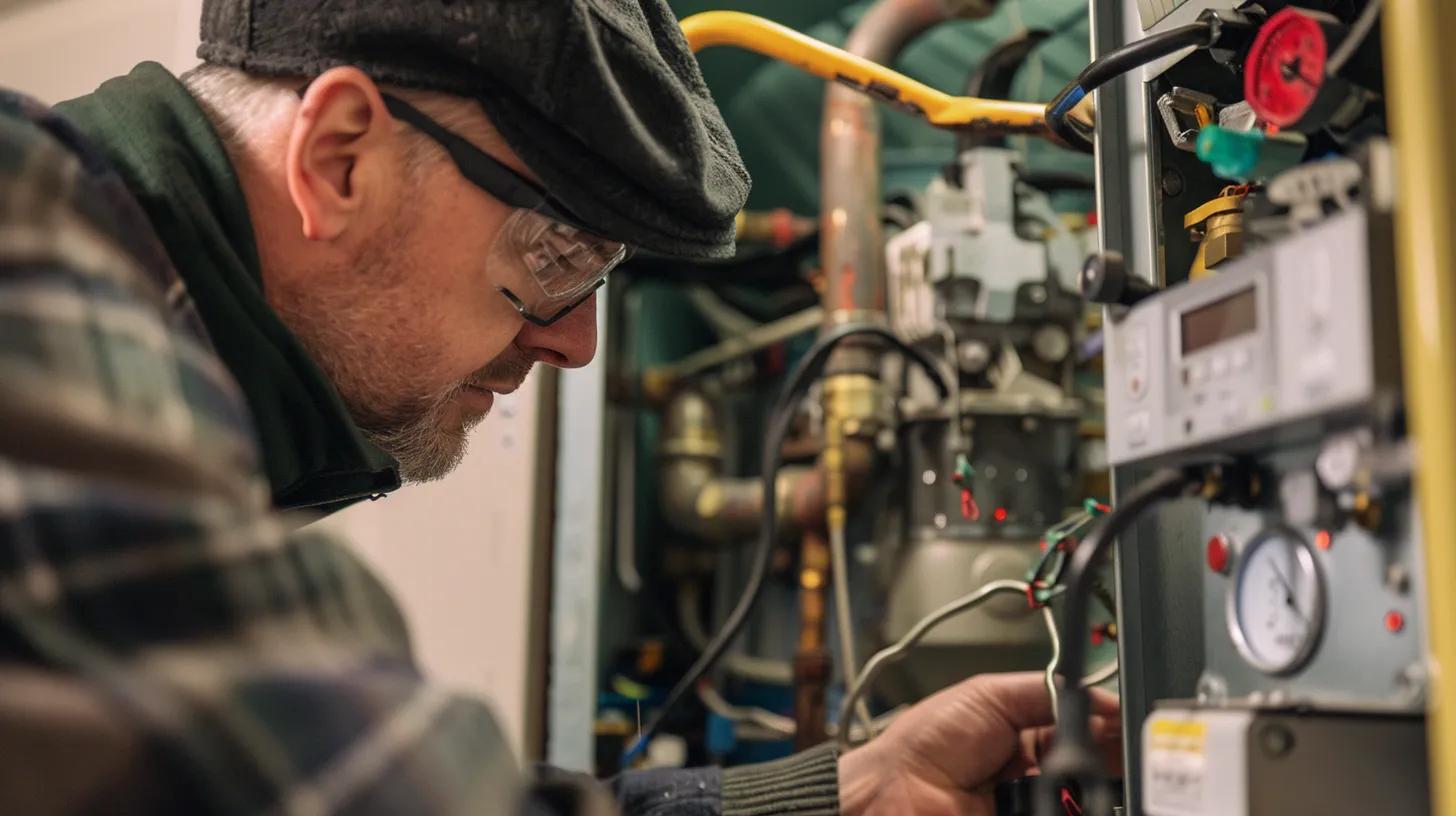
A professional annual furnace tune-up is a systematic set of inspections, cleanings, calibrations, and safety tests performed by a qualified HVAC technician to restore performance and confirm safe operation. For gas furnaces, technicians run combustion analysis, inspect the heat exchanger for cracks or corrosion, clean burners and ignition components, service the blower motor and belts, lubricate moving parts, tighten electrical connections, and calibrate thermostats and safety controls. These steps correct fuel‑air balance, improve AFUE, and uncover early signs of component failure that homeowner checks can miss. Detailed documentation from a tune‑up also helps homeowners plan repairs and track system health over time.
Here’s a concise professional checklist and a comparison of what technicians do versus homeowner tasks.
Technician tune‑ups usually include these essential items.
- Combustion and gas safety checks to confirm safe fuel burn and acceptable CO levels.
- Heat exchanger inspection to find cracks or stress that could threaten safety.
- Burner and ignition cleaning to keep flame quality steady and efficient.
- Blower, belt, and airflow service to restore circulation and reduce wear.
- Electrical controls and thermostat calibration to prevent failures and improve comfort control.
These professional services address root causes and deliver measurable system improvements explained in the next section.
How technician actions map to homeowner benefits.
Which Furnace Components Do Technicians Inspect and Service?
Technicians inspect the heat exchanger, burners, flame sensor, ignition system, blower assembly, belts, electrical connections, filters, and venting/ductwork. For each component they check wear, alignment, combustion quality, corrosion, and sealing, then clean, adjust, or replace parts as needed. Common failure modes include cracked heat exchangers, misaligned or dirty burners, and worn blower bearings that lower airflow. Recording each component’s condition during annual service helps homeowners prioritize repairs and extend equipment life.
Next we explain how those component‑level actions translate into measurable safety and efficiency gains.
How a Tune‑Up Improves Efficiency and Safety
A professional tune‑up restores combustion balance and airflow, which together improve AFUE and lower operating costs. Cleaning burners and calibrating the thermostat can produce noticeable efficiency gains, while heat exchanger inspections and CO testing significantly reduce safety risks. Preventive servicing also lowers stress on moving parts and electronics, cutting the frequency of unexpected breakdowns and emergency repairs. Those measurable benefits—better efficiency, less risk, and fewer service calls—make tune‑ups a cost‑effective part of HVAC maintenance.
With that context, the next section covers carbon monoxide safety and how maintenance prevents hazards.
Benefits and Options in Suter Air Conditioning’s Maintenance Plans
Suter Air Conditioning offers maintenance plans that deliver scheduled annual tune‑ups, documented inspections, and priority service for homeowners in Lake and Sumter Counties. Plan members get consistent annual inspections covering combustion and heat exchanger checks, blower servicing, filter guidance, and thermostat calibration—plus priority scheduling to cut wait times during seasonal demand. Membership often includes service discounts and simplified booking so homeowners can budget preventative care without repeated coordination. These plans turn recommended maintenance into predictable, budgeted service.
The table below compares plan features and customer benefits to make choosing easier.
What Suter AC’s Annual Furnace Plans Include
Our annual plans generally include combustion system inspection, heat exchanger assessment, burner cleaning, blower service, thermostat calibration, and documented safety checks. Members receive a written maintenance report with findings and recommended repairs so you can prioritize follow‑up work. Plans are built to provide routine servicing and faster access to repairs through priority scheduling, helping reduce downtime during cold snaps or system stress. These inclusions support safety, efficiency, and a documented equipment history.
Knowing what’s included helps you prepare for your first appointment.
How to Schedule Furnace Service with Suter Air Conditioning
Scheduling service with Suter Air Conditioning is straightforward: pick a time window, share system details (make, model, recent symptoms), and confirm appointment logistics. Technicians arrive with inspection and safety testing tools. Before the visit, clear access to the furnace cabinet, note recent issues, and write down questions about filter types or thermostat settings to get the most from the visit. Expect a 45–90 minute appointment depending on system complexity, a written report of findings, and recommended next steps. After‑service, plan members can use priority channels for faster follow‑ups.
Preparing ahead makes the technician’s work more efficient and helps when deciding whether to repair or replace later on.
Frequently Asked Questions
What should I do if my furnace is making unusual noises?
If your furnace bangs, rattles, or squeals, turn it off to avoid further damage and check for loose panels or visible obstructions. If the noise continues after restarting, call a qualified HVAC technician. Noisy operation often indicates issues with the blower motor, belts, or other mechanical parts that require professional diagnosis and repair.
How often should I replace my furnace air filter?
Replace most disposable filters every 1 to 3 months depending on filter type and home air quality. Homes with pets, allergies, or a lot of dust may need more frequent changes. A clean filter improves airflow, boosts efficiency, and helps indoor air quality—always follow the filter manufacturer’s recommendations and check filters regularly.
What are the signs that my furnace needs immediate repair?
Immediate repair may be needed for inconsistent heating, strange noises, unusual odors, frequent cycling, or failure to start. A sudden spike in energy bills without changed behavior is another warning sign. If you experience symptoms of carbon monoxide exposure—headache, dizziness, or nausea—evacuate immediately and call emergency services before contacting an HVAC professional.
Can I perform my own furnace maintenance?
Yes—homeowners can handle basic tasks like replacing or cleaning filters, checking thermostat batteries, and inspecting vents for blockages. Leave complex work—heat exchanger inspections, combustion testing, and electrical repairs—to qualified technicians. Always turn off power before doing any maintenance.
Conclusion
Regular furnace maintenance is essential for keeping your heating system safe, efficient, and long‑lived—especially in Florida’s unique climate. By following this checklist and scheduling professional tune‑ups, you can cut the risk of costly repairs and improve indoor air quality. Explore Suter Air Conditioning’s tailored maintenance plans to keep your furnace running reliably. Contact us today to schedule your inspection and protect your home’s comfort for the seasons ahead.