Essential Steps for Heating System Post-Installation Testing
Post-Installation Testing and Calibration for Heating Systems: Keep Your HVAC Safe, Efficient, and Comfortable
After a new heating system is installed, testing and calibration are the critical steps that make sure it actually performs the way it should. In this guide, we explain why commissioning matters, what professional testing covers, and how precise calibration saves energy and prevents problems. Many homeowners and business owners skip these checks — and that can mean inefficiency or safety risks. Proper post-installation procedures not only extend the lifespan of your equipment but also enhance indoor comfort and reduce unexpected repair costs. Read on to learn how post-installation testing, safety inspections, and calibration work together to keep your system running at peak performance. To schedule service, see our professional HVAC testing services .
What is post-installation testing and calibration for heating systems?
Post-installation testing and calibration are a set of inspections, measurements, and adjustments performed after a heating system is installed. Technicians verify that components are working, that outputs match the design, and that controls are set correctly. Proper calibration affects comfort, energy use, and safety — so these checks confirm the system meets performance expectations and code requirements before it goes into regular use. This process also helps identify any installation errors or defective parts early, preventing costly downtime and ensuring your system operates smoothly from day one.
How does the heating system commissioning process work?
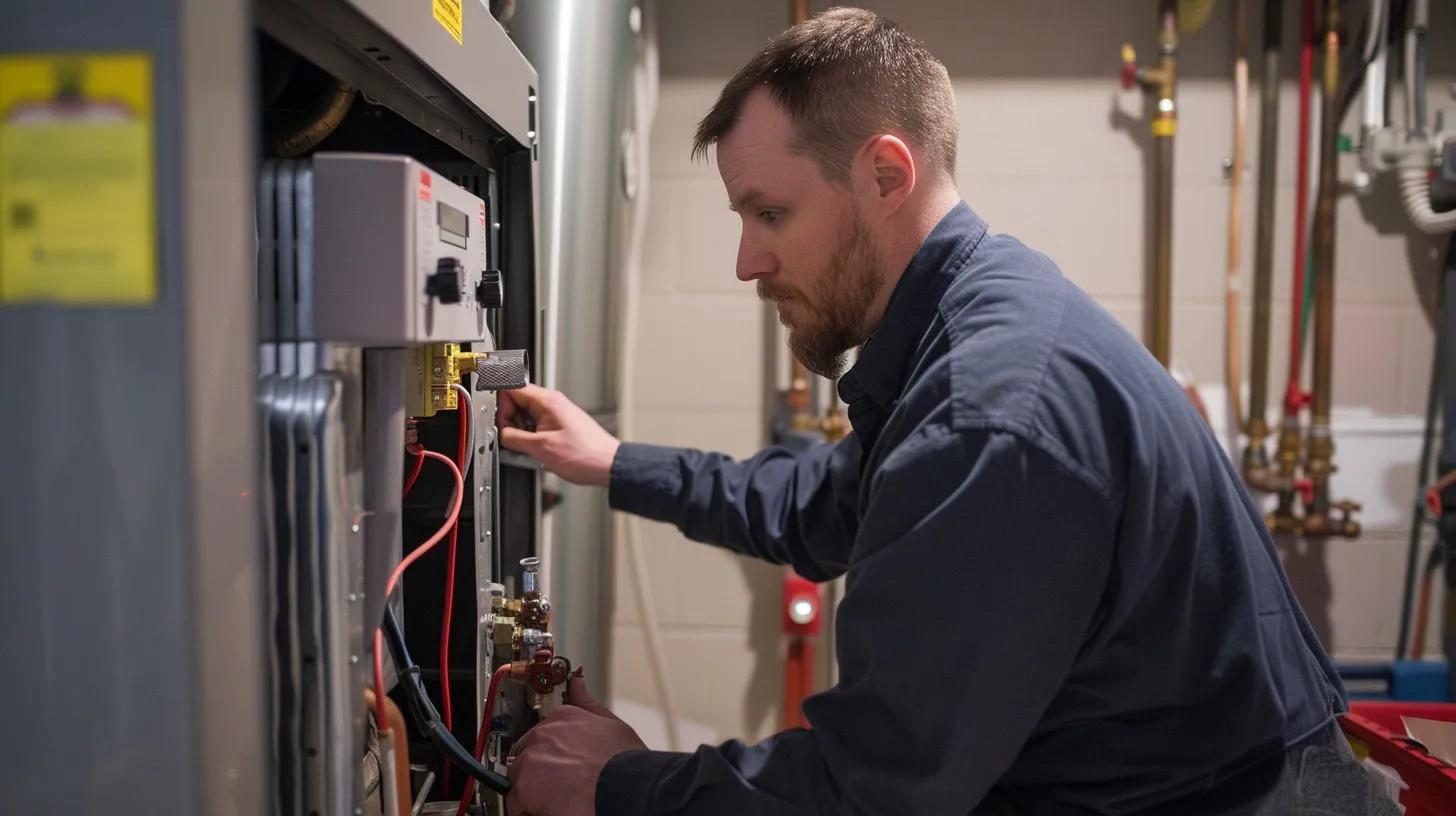
Commissioning follows a clear sequence: inspect the installation, measure performance, then make any needed adjustments. Technicians begin by checking ductwork, vents, wiring, and connections against the manufacturer’s instructions. Next, they run performance tests to measure airflow, temperatures, and output. If the results differ from the design, the tech will tune settings or make corrections so the system operates reliably and efficiently. This thorough approach ensures that every component functions harmoniously, reducing the likelihood of future malfunctions and optimizing system longevity.
Why is professional HVAC system testing essential after installation?
Professional testing protects your investment. It confirms the system is safe (reducing risks like gas leaks or electrical faults), ensures compliance with local building codes, and catches performance problems early. Those early fixes prevent breakdowns, improve efficiency, and extend the life of the equipment. Additionally, professional testing provides documented proof of system performance, which can be valuable for warranty claims and insurance purposes, giving you peace of mind that your heating system is operating at its best.
How are heating systems calibrated and balanced for peak performance?
Calibration and balancing put the system where it needs to be. Calibration adjusts controls and setpoints so the equipment runs within intended parameters. Balancing distributes airflow so each room gets the right share of heating. Together they eliminate hot and cold spots and keep the system from working harder than necessary. This fine-tuning not only enhances occupant comfort but also reduces wear and tear on system components, leading to fewer repairs and lower maintenance costs over time.
What are the key steps in airflow balancing and pressure testing?
Airflow balancing starts with measurements at multiple ducts and registers. Technicians compare those readings to the design targets, then adjust dampers or registers to reach the desired flows. Pressure testing checks for leaks in the ductwork so conditioned air doesn’t escape — sealing leaks improves efficiency and comfort. These steps also help maintain proper indoor air quality by ensuring adequate ventilation and preventing infiltration of dust or pollutants through leaks.
Which tools and techniques are used in HVAC calibration services?
Technicians rely on accurate instruments: digital manometers for pressure, anemometers for airflow, and precision thermometers for temperature. They also use diagnostic software to log results and confirm adjustments. Those tools let pros fine-tune the system so it runs efficiently and meets spec. Advanced diagnostic tools can also detect subtle issues such as airflow imbalances or sensor inaccuracies that might otherwise go unnoticed, ensuring a comprehensive calibration process.
What safety and compliance checks are included in post-installation testing?
Safety and compliance checks are part of every post-installation visit. Technicians inspect gas lines, ventilation, combustion air, electrical connections, and controls to make sure the system meets local and manufacturer requirements. These checks reduce risk and help you stay compliant with building rules. They also verify that safety devices such as carbon monoxide detectors and emergency shutoffs are functioning properly, providing an additional layer of protection for occupants.
How do safety inspections ensure heating system reliability?
During a safety inspection we look for leaks, loose wiring, blocked vents, and other issues that can cause failures or hazards. Fixing those problems during commissioning means fewer unexpected breakdowns and a system you can trust day after day. Regular safety inspections also help maintain manufacturer warranties and can prevent costly liability issues by ensuring the system operates within safe parameters.
What local Florida building codes affect HVAC system calibration?
In Florida, the Florida Building Code (FBC) and related mechanical rules set requirements that affect calibration, duct tightness, combustion air, and energy measures. Following these codes ensures safe operation and helps meet the state’s energy-efficiency expectations. Compliance with these codes also supports environmental sustainability goals by reducing energy consumption and emissions associated with heating systems.
Field research has looked at how well installations meet those code requirements in real homes, providing valuable data to improve industry practices and enforcement.
HVAC Field Testing for Mechanical Code Compliance
Field testing was completed in 40 central Florida homes (built after March 1, 2002) to examine compliance with balanced return air, duct leakage, and combustion/dilution air requirements of the Florida Mechanical Code. Florida Building Code — Enhance Florida’s Building to Next-Generation Energy & Mechanical Codes and Enrich Compliance, 2006. The results highlighted common areas for improvement and helped inform updates to training and inspection protocols.
What are the energy-efficiency benefits of heating system calibration?
A properly calibrated system uses less energy to deliver the same comfort. Correct setpoints, balanced airflow, and sealed ducts reduce wasted run time and lower utility bills. Calibration also helps maintain consistent indoor temperatures and can improve overall air quality. Over time, these energy savings can significantly offset the initial cost of professional calibration services, making it a smart investment for both residential and commercial properties.
How does precise calibration improve indoor air quality and reduce energy costs?
When a system is calibrated correctly it controls temperature and humidity more consistently, which can reduce conditions that promote mold or stale air. Because the equipment runs more efficiently, it also draws less power — that means lower energy bills without sacrificing comfort. Additionally, balanced airflow helps prevent the buildup of allergens and pollutants by ensuring proper ventilation throughout the space.
What recent industry standards support HVAC energy optimization?
Industry guidance and codes — including standards like ASHRAE 90.1 and DOE building-energy programs — encourage technologies and practices that boost efficiency. Variable-speed motors, smart thermostats, and proper commissioning are all recommended ways to optimize performance. These standards are regularly updated to incorporate the latest research and innovations, helping professionals stay ahead in delivering sustainable HVAC solutions.
How can homeowners and businesses schedule professional HVAC testing services?
Booking professional testing is simple and worth the time. Look for experienced local technicians who specialize in post-installation commissioning and calibration to make sure the job is done right. Many providers offer flexible scheduling options and transparent pricing to accommodate your needs. Early scheduling can also help avoid peak season delays and ensure your system is ready before colder months arrive.
What is the process for booking post-installation testing with local experts?
Start by checking local providers’ experience and reviews. When you contact a provider, explain the system type and installation date so they can prepare the right tests. During the visit, technicians will run diagnostics, document findings, and recommend any adjustments or follow-up work. Many companies also provide detailed reports and maintenance plans to help you keep your system in optimal condition long-term.
Why choose Suter Air Conditioning for heating system calibration in Lake and Sumter Counties?
Suter Air Conditioning serves Lake and Sumter Counties with installation, maintenance, and repair for heating and cooling systems. We focus on thorough post-installation testing and careful calibration so your system runs safely and efficiently. Our team prioritizes clear communication and quality workmanship to give homeowners and businesses dependable HVAC performance. With a commitment to customer satisfaction and ongoing training, we ensure every job meets the highest standards. To schedule service, visit our HVAC solutions .
Frequently Asked Questions
What are the signs that my heating system needs calibration?
Common signs include uneven temperatures across rooms, sudden increases in your energy bill, or frequent on/off cycling. Strange noises or persistent humidity problems can also indicate the system needs adjustment. If you notice any of these, a calibration check is a good next step. Early detection can prevent more serious issues and improve your system’s overall comfort and efficiency.
How often should heating systems undergo post-installation testing?
Testing should happen soon after installation and a full check at least once a year after that. Annual testing keeps performance steady and helps spot issues before they become costly. If you make major changes to the system or notice problems, schedule a test sooner. Regular testing also helps maintain warranty coverage and ensures compliance with evolving building codes.
Can I perform HVAC testing and calibration myself?
Homeowners can handle basic upkeep like filter changes, but accurate testing and calibration require trained technicians and specialized tools. DIY attempts risk safety issues and may void warranties. For reliable results, rely on certified HVAC professionals. Professional service also ensures that all safety and code requirements are met, protecting your home and family.
What should I expect during a professional HVAC testing service?
A technician will perform safety checks, measure airflow and pressures, and assess overall system performance. They’ll inspect ductwork and electrical connections, record test results, and give you a clear report with recommended adjustments or repairs. Many providers also offer follow-up support and maintenance advice to help you keep your system running smoothly year-round.
Are there any specific certifications I should look for in HVAC professionals?
Look for credentials like NATE (North American Technician Excellence) and EPA certification, plus state licensing and insurance. These show the technician has proper training and follows industry safety practices. Certifications also indicate a commitment to continuing education and adherence to the latest industry standards.
How can I improve the energy efficiency of my heating system beyond calibration?
Regular maintenance — changing filters, cleaning ducts, and keeping vents clear — helps a lot. A programmable or smart thermostat adds control and savings. Improving home insulation and sealing air leaks also reduces heat loss and complements a well-calibrated system. Additionally, upgrading to high-efficiency equipment and incorporating renewable energy sources can further reduce your environmental footprint and energy costs.
Conclusion
Post-installation testing and calibration are the final steps that make a new heating system perform as intended. They protect safety, improve efficiency, and deliver consistent comfort. Investing in professional HVAC commissioning now prevents headaches later — schedule your post-installation testing to keep your system reliable and efficient. Taking these steps ensures your heating system will provide dependable warmth and peace of mind for years to come.